What weakens a whiplash compensation case?
Missing the claim deadline
One of the most straightforward ways to damage a whiplash compensation case is to miss the time limit for making a claim. In Scotland, the general rule is that you have three years from the date of the accident to start legal proceedings. If the deadline passes without a claim being lodged, the right to compensation is lost. Many people assume the clock starts ticking only when symptoms become serious, but the law counts from the accident date itself. It is wise to act promptly, gather evidence early, and note the deadline with a solicitor consultation if possible.
Not reporting the accident properly
A claim notification that is vague or delayed can raise doubts about the seriousness of the injury. After a collision, the first step should be to report it to the police if required, and to your insurance company. Without a clear accident report, the other party may argue that the incident was minor or that your injuries are unrelated. A written record from the scene, including the time, location, and circumstances, helps establish a solid foundation for the case. Even if the accident seems trivial, reporting it formally protects your position later.
Weak or missing witness statements
Whiplash cases often come down to who is believed. A witness statement from someone who saw the crash can make a significant difference. Without independent witnesses, the case may rely entirely on your word against the other driver’s. If there were passengers in your vehicle, their accounts can also be used, though they are not considered independent. It is worth asking anyone who saw the incident for their contact details and a brief account while the memory is fresh. A statement taken months later may lose detail and credibility.
Poor photographic evidence
Photographic evidence from the scene can confirm the severity of the impact and the damage to the vehicles. Without clear photos, the other side might claim the collision was too minor to cause injury. Take pictures of both cars from several angles, including close-ups of the damage, the position of the vehicles on the road, and the surrounding conditions. If you are unable to take photos yourself, ask someone else to do it. The absence of such evidence can leave the case open to challenge, especially if the other driver denies responsibility.
Inconsistent or delayed medical evidence
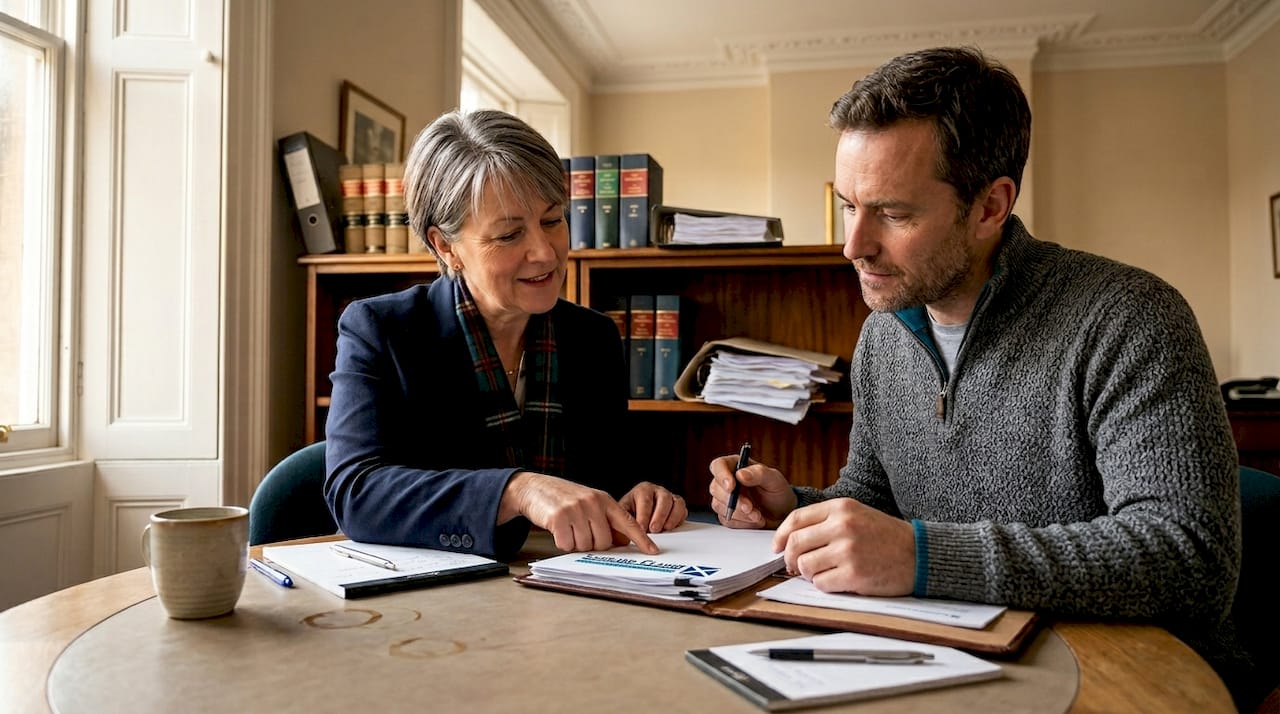
Medical evidence is the core of any whiplash claim. If you delay seeing a doctor or fail to follow treatment advice, the defence may argue that your injury is not as serious as claimed. It is important to attend all appointments and keep a record of symptoms as they develop. Inconsistent accounts of pain or recovery timelines can weaken credibility. The medical report should be thorough and prepared by a qualified professional. Relying on a single early assessment without follow-up may leave gaps that the other side can exploit.
Admitting fault or apologising at the scene
It is natural to feel shaken after a crash, and many people say sorry or accept blame without thinking. In legal terms, an apology can be interpreted as an admission of liability. Even a casual remark like “I didn’t see you” can be used against you later. The best approach is to exchange details and avoid discussing fault at the scene. Let the evidence and the legal process determine who is responsible. Anything you say can end up in statements or reports that affect the outcome of your claim.
Liability is often disputed in whiplash cases, and a clear chain of evidence is what protects your position. If the other driver’s insurer argues that you were partly to blame, the compensation can be reduced. This is where detailed records and prompt action matter most. Without a strong case on liability, even a legitimate injury may not result in a full payout.
Many people underestimate how much work goes into building a solid claim. The process involves gathering documents, attending medical exams, and corresponding with solicitors. If you are unsure where to start, you can support with an injury claim by seeking advice early. A solicitor will guide you on what evidence to collect and how to avoid common pitfalls.
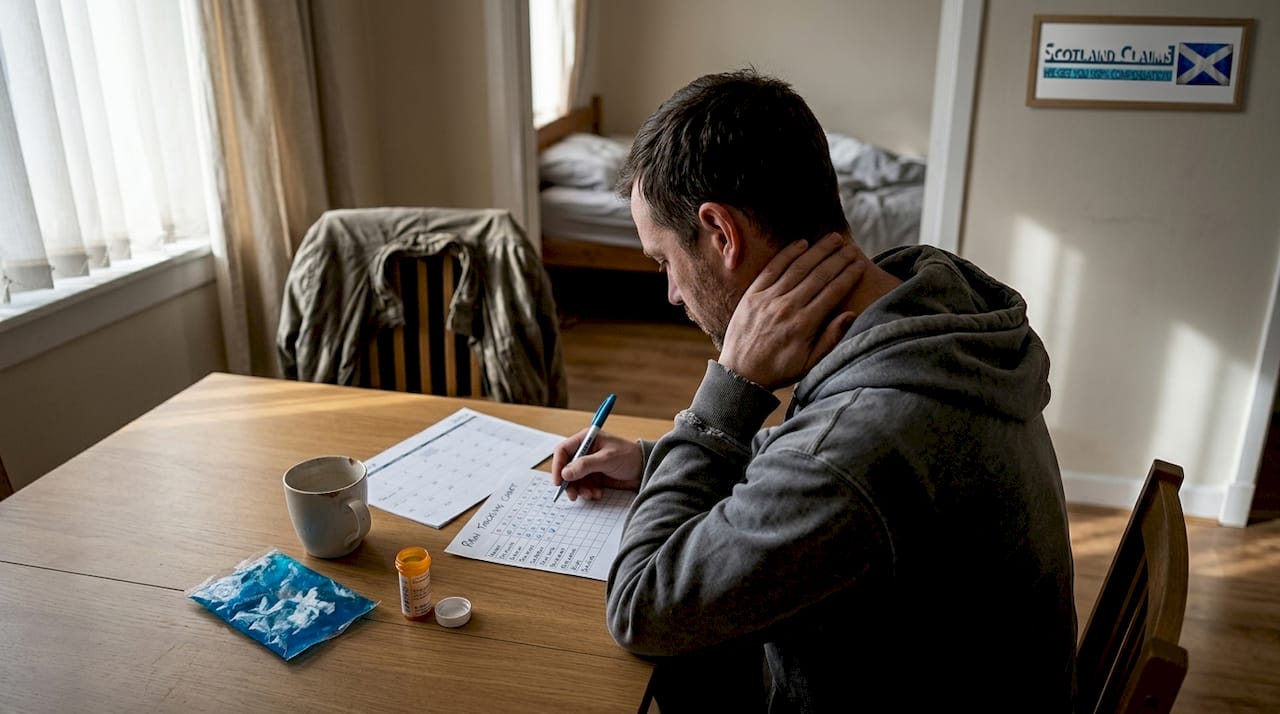
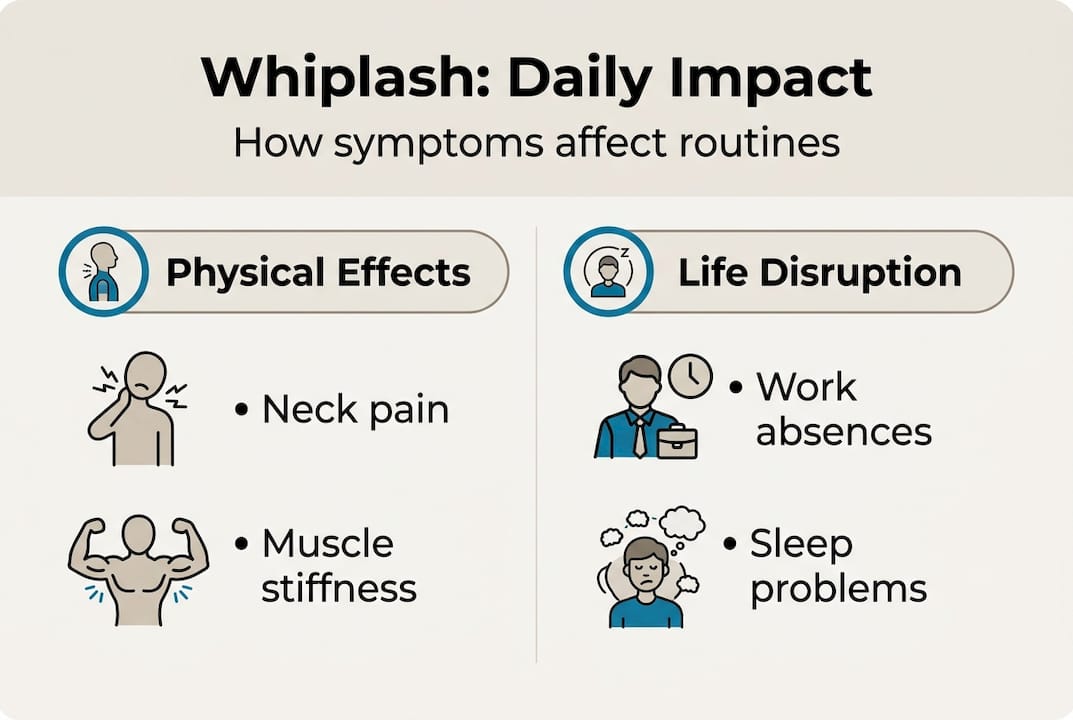
Another factor that can weaken a case is a gap in treatment. If you stop attending physiotherapy or GP appointments without a good reason, the defence may claim you are exaggerating. Consistency in seeking treatment and following medical advice shows that you are taking the recovery seriously. It also provides ongoing evidence of the injury’s impact on your daily life.
Social media can also be a problem. Posts about holidays, sports, or even everyday activities can be used to argue that your injuries are not as limiting as claimed. Insurers sometimes monitor public profiles. It is wise to limit what you share online while a claim is active. Even a photo that seems innocent can be taken out of context.
Communication with the other party’s insurer should be handled carefully. Anything you say in a phone call or email can be recorded and used against you. Many solicitors recommend letting them handle all correspondence. If you do speak directly, stick to facts and avoid speculation about the accident or your recovery.
A common oversight is forgetting to keep receipts and records of expenses related to the injury. Travel costs to appointments, prescription charges, and lost earnings can all form part of the claim. Without documentation, these items are hard to prove. A simple log of dates, distances, and amounts can make a difference.
The final point to watch is the timing of your solicitor consultation. Some people wait until symptoms worsen or until the claim deadline is close. By then, key evidence may have been lost or faded. An early conversation gives you time to prepare and ensures nothing is overlooked. You can also support with an injury claim by asking a solicitor to review your case before any evidence is lost.
Each of these mistakes is avoidable. The best protection is to act quickly, keep clear records, and follow professional advice. A whiplash compensation case depends on the quality of the evidence and the credibility of the claimant. Small missteps can have a large impact, but with care and the right guidance, the process can be managed effectively.